
Renting out your house in Philadelphia, Pennsylvania, can be a lucrative venture to earn passive income. On top of a steady stream of income, rental property owners can enjoy benefits like tax deductions on mortgage interest, other deductions on property taxes, monthly payments to help cover mortgage and insurance expenses, and an investment that increases in value steadily over time. But before you decide to invest in rentals, you need to be well-prepared to manage it. To ensure a successful and legally compliant rental experience, there are several crucial steps you should follow.
1. Understand the Law
Before you embark on the journey of renting out your house in Philadelphia, it's vital to have a comprehensive understanding of the landlord-tenant laws in the state. This knowledge will help you avoid legal pitfalls and protect your rights as a property owner. Here are some essential aspects of Pennsylvania's landlord-tenant regulations:
-
Security Deposits: To protect tenants, Pennsylvania limits the security deposit you can charge to no more than two months' rent for the first year of a lease, followed by one month's rent for each subsequent year.
-
Lease Agreements: Draft a clear and comprehensive lease agreement that adheres to Pennsylvania's legal requirements. Include all essential information, such as rent due dates, property maintenance responsibilities, and any specific rules or regulations for your property.
-
Eviction Process: Familiarize yourself with the eviction process outlined in state and local housing laws. You must follow proper procedures when dealing with troublesome tenants to avoid potential legal complications. Make sure to send proper notice before filing an eviction lawsuit.
-
Fair Housing Laws: Be aware of federal and state fair housing laws that prohibit discrimination based on race, color, religion, sex, national origin, disability, familial status, age, or pregnancy status. Ensure you treat all potential tenants equally and fairly.
-
Maintenance and Repairs: As a landlord, you have a legal obligation to keep your property in a safe and habitable condition. This includes making sure your property is free of safety hazards, including pests like mice or bedbugs.

2. Understand Landlord Responsibilities
To be a successful landlord in Philadelphia, it's essential to be well-informed about your legal and ethical responsibilities towards your the tenants you're housing. Knowing these responsibilities not only ensures legal compliance but also fosters a positive landlord-tenant relationship. Here are some key landlord responsibilities:
.
-
Essential Services: Ensure that essential services such as heating, plumbing, and electricity are in working order and available to tenants throughout their lease term.
-
Privacy and Access: Respect your tenants' privacy rights. In most cases, landlords must provide reasonable notice before entering the rental property.
-
Lease Enforcement: Enforce the lease agreement consistently and fairly. Address lease violations promptly and according to the terms of the lease agreement and applicable rules.
-
Rent Collection: Establish a clear rent collection process in the lease agreement, including rent due dates, accepted methods for tenants to pay rent, and late fees if applicable. Consider implementing online rent collection for efficiency.
-
Record-Keeping: Maintain accurate records of all financial transactions related to the property, including monthly rent payments, security deposits, and other expenses like mortgage payments, landlord insurance payments, and utilities.
-
Safety Compliance: Comply with all local building codes and safety regulations. Ensure that smoke detectors, carbon monoxide detectors, and fire extinguishers are installed and functioning correctly.
3. Prepare Your Property
Before listing your property for rent, it's essential to make it attractive to prospective tenants. A well-maintained and appealing property is more likely to attract reliable renters. Here are some steps to prepare your property.
-
Clean and Repair: Thoroughly clean the property, and ensure all systems such as plumbing, electrical, and HVAC are in working order, and necessary repairs are completed. This includes all appliances that come with the property.
-
Safety Measures: Install and maintain safety features as required by housing law. Ensure that all doors and windows have working locks, and if your property was built before 1978, you’ll have to test it for lead.
-
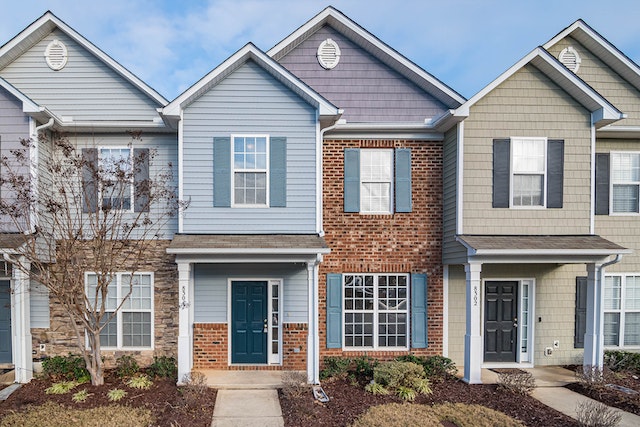
Curb Appeal: Enhance the property's curb appeal by maintaining the lawn, landscaping, and exterior.
4. Set the Right Rent Price
Determining the appropriate rent for your Philadelphia property is crucial for attracting tenants and maximizing the rental money you can earn. Research the local rental market to understand current housing rates for similar properties in your neighborhood. Factors to consider when setting the rent include the property's location, size, condition, amenities, and expenses you need to cover, like mortgage or landlord insurance payments.
5. Market Your Property
To find suitable tenants, you'll need to effectively advertise your rental property. Utilize various marketing channels to reach a broad audience. Consider the following strategies:
-
Online Advertisement: Use popular rental websites and social media platforms to promote your property. Create appealing online listings with high-quality photos and detailed descriptions.
-
Yard Signs: Place a "For Rent" sign in front of the property to attract llocal people looking for housing.
-
Word of Mouth: Spread the word among friends, family, and colleagues who may know potential tenants.
-
Local Events: Participate in local community events or neighborhood gatherings to connect with potential renters.
6. Screen Tenants Carefully
When you receive rental applications, it's crucial to screen potential tenants carefully to ensure you select reliable renters who will respect your lease. A thorough screening process should include:
-
Rental Application: Have all prospective tenants complete a rental application that includes their personal information, rental history, employment details, and references.
-
Background Checks: Conduct background checks to assess applicants' criminal history and credit. Check for any prior evictions or rental-related issues.
-
References: Contact previous landlords and personal references provided by the applicants to gather insights into their rental history and character.
-
Income Verification: Verify the applicant's income to ensure they can afford to pay the rent. A general guideline is that rent should not exceed 30% of the tenant's monthly income. Any less heightens the risk of the tenant not being able to pay consistently.

7. Hire a Property Manager
Even after going through all of the necessary first steps, like preparing correctly and getting all of your finances, insurance, and other documents in order, it isn't easy to be your own property manager.
Hiring a professional property manager can ease the burden while ensuring that your property is well-maintained and your tenants are satisfied. Here are some things a good property management company can provide you with:
-
Thorough Tenant Screening
-
Effective Marketing and Advertising
-
Efficient Rent Collection
-
Prompt and Cost-Effective Maintenance and Repairs
-
Legal Compliance
-
Time and Cost Savings
Conclusion
Renting out your house in Philadelphia, PA, can be a rewarding way to earn a steady income, but it requires careful planning, meticulous organization, and knowledge of the rules and regulations to manage. The above tips are key steps to success in the real estate industry. To navigate the rental process with confidence and maximize your returns, reach out to TrustArt Realty. They can assist with many rental matters, from screening and maintenance to insurance, evictions, and beyond.
